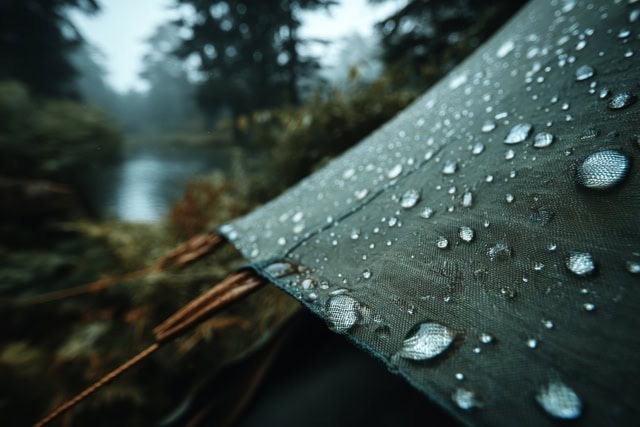
Waterproof Canvas Fabric for Tents, Covers, and Outdoor Use
This page is for buyers who need practical information before they sample or order. Waterproof Canvas Fabric is not one fixed product. The right construction depends on whether you need better flexibility, stronger weather protection, better appearance, or a tougher fabric for rough outdoor handling.
What Buyers Usually Need This Fabric For
Waterproof canvas is commonly used for tents, glamping structures, event sidewalls, canopies, outdoor covers, equipment protection, storage covers, and rugged fabric products where ordinary uncoated canvas would not last.
In real buying decisions, the question is not only whether the fabric is waterproof. Buyers also look at how stiff the fabric becomes after coating, how it handles folding, whether the surface looks clean enough for customer-facing products, and how well the construction holds up in sun, rain, and repeated use.
Pakistan Fibres supplies canvas and related outdoor fabrics with practical flexibility in composition, finish, shade, and width. Some buyers come with a fixed specification. Others only know the end use and need help choosing a workable build.
Cotton, Polyester, and Poly-Cotton Do Not Behave the Same Way
100% Cotton Canvas
Usually chosen where a more natural hand, better traditional canvas feel, or classic tent appearance matters. It can look richer, but it also needs the right finish and good construction control. Buyers often prefer it for heritage-style tents, waxed products, and applications where the look of the fabric matters as much as weather resistance.
Polyester and Poly-Cotton
Often more stable in use and easier to manage in many coated applications. Polyester helps with dimensional stability and durability. Poly-cotton is a practical middle ground where buyers want some canvas character without going fully into pure cotton cost and behaviour.
Open-end yarn can perform well in durable constructions and is workable for many utility applications, but better cotton yarns usually give a cleaner surface, better shade result, and a more refined finish. If appearance is part of the product value, that difference matters.
Choosing GSM by End Use
GSM should be read together with weave, yarn, and finish. Still, it gives a practical starting point when a buyer is narrowing down the right canvas for tents or covers.
This range is commonly considered for lighter covers, decorative canopies, lighter-duty outdoor products, and applications where easier handling matters. It is not usually the first choice for rough industrial use.
This is often the most practical range for buyers who want a workable balance between handling, durability, and coating performance. Many commercial tent and canopy applications sit here.
Used where the fabric is expected to take more punishment, more contact stress, and harsher weather exposure. Heavier weights can perform very well, but buyers should also expect more stiffness and more bulk in handling.
What Matters Before You Finalise a Waterproof Canvas Order
For tents, what matters most?
Usually the buyer is balancing weather protection, flexibility, appearance, and breathability. A fabric that works for an industrial cover may not be the right fabric for a tent where handle, foldability, and comfort matter more.
For covers, what matters most?
Cover buyers usually care more about water resistance, surface toughness, dimensional stability, and whether the coated side can handle rougher use. In those cases, a heavier or more sealed finish may be the better choice.
Does waxing make it fully waterproof?
Waxed canvas can repel water well, but it is not the same thing as a heavily sealed laminated construction. Wax amount, fabric base, and end use all matter. It is a good choice in the right product, but not a universal answer.
Can one fabric suit every outdoor use?
Not really. That is one of the biggest mistakes buyers make. A glamping tent, a machine cover, and a branded event canopy may all need different balances of stiffness, surface, coating, and appearance.
General Specification Range
The table below shows a workable general range. Exact builds should be matched to end use, not selected by one line item alone.
| Parameter | Typical Supply Range |
|---|---|
| Fabric Composition | 100% cotton, polyester, and poly-cotton constructions can be considered depending on requirement. |
| Yarn Options | Open-end and better quality cotton yarn options may be used depending on the required appearance, durability level, and price target. |
| GSM Range | Approximately 200 to 700 GSM, depending on construction and end use. |
| Finish Options | PU coating, PVC lamination, wax finish, and acrylic-based weather-resistant finish options. |
| Width Availability | Common width range around 36 to 57 inches. Other widths can be considered subject to construction and order requirement. |
| Colour Possibilities | Natural, olive, khaki, navy, black, grey, and other shades depending on order planning and finish requirement. |
| Surface and Shade Result | Depends on yarn quality, base construction, and finish type. Better yarn and cleaner construction usually give a more refined surface and better shade presentation. |
| Extra Treatments | Weather-related or application-specific treatments may be considered on request, depending on the required build. |
| End Use Suitability | Tents, covers, canopies, glamping products, event structures, equipment protection, and rugged outdoor fabric applications. |
How the Main Waterproofing Options Differ in Practice
A buyer should not choose finish only by the word waterproof. The finish changes handle, stiffness, look, and actual suitability for the end product.
PU coating usually keeps the fabric easier to handle than PVC. It is often preferred where buyers want a practical balance between water resistance and a fabric that still folds and works more naturally in fabrication.
PVC-laminated canvas is generally more sealed and more surface-tough, but also heavier and stiffer. It can make sense for certain rugged covers and harsher outdoor use, though it is not always the first choice where better drape or better comfort is needed.
Wax application can be kept lighter or built heavier depending on the target product. Buyers often choose waxed canvas for heritage-style tenting, outdoor lifestyle products, and products where the finish is part of the visual appeal. It is not a substitute for every high-exposure waterproof application.
Acrylic-based weather-resistant finishes are often considered where the buyer wants a cleaner visual result with outdoor performance. This can be useful for event and canopy work where appearance matters along with weather handling.
Why Buyers Work With Us on Waterproof Canvas
Practical Supply Discussion
We prefer discussing actual requirement, not pushing one standard answer. A tent requirement, a glamping project, and an outdoor cover order should not all be treated the same way.
Warehouse-Based Thinking
For many buyers, availability and realistic supply planning matter as much as specification. We understand the commercial side of textile buying, not just the wording on a product page.
Flexible Build Approach
Composition, finish, width, colour, and overall construction can be discussed around the end use. Buyers are not always forced into one narrow ready-made line.
Export Handling Experience
We have exported to North America, Europe, the Middle East, and Asia-Pacific. That matters when communication, product understanding, and order handling need to be practical and clear.
Need Waterproof Canvas for a Specific Outdoor Product?
Send your intended use, preferred composition, approximate GSM, finish requirement, and width. We can discuss a more workable canvas option from there.
Request Quote or Sample DiscussionPlease check the following links for more related information.